When I write, I get immersed in the world of the book, having synthesized all of the bits I have researched, created, obfuscated, reasoned out, and improvised into this 100,000-word (plus) manuscript. I have learned that I can readily fall prey to assuming that the average reader will just get it with me not explaining things that I probably should.
Getting questions from beta readers has made me concerned that I might not have stepped outside of my own head enough while constructing the particular version of Qurtuba in the late summer/early autumn of 844 (229-230 AH, because it actually fell at the end of the year) that served my story. It’s easier for those who are Muslim, to be sure–there are super-common phrases that just don’t translate well out of Arabic and into English so I left them in Arabic, there’s the daily schedule of prayers, and so on. Some of the cultural-but-not-overtly-religious things are far easier to relate to if you’re Muslim, as well. Then there are the people themselves, of which I’ve already written at length: I said before that al-Andalus was a diverse, pluralistic society, and I just couldn’t lump people together in a way that didn’t reflect that reality, even if it made things easier to grasp for readers.
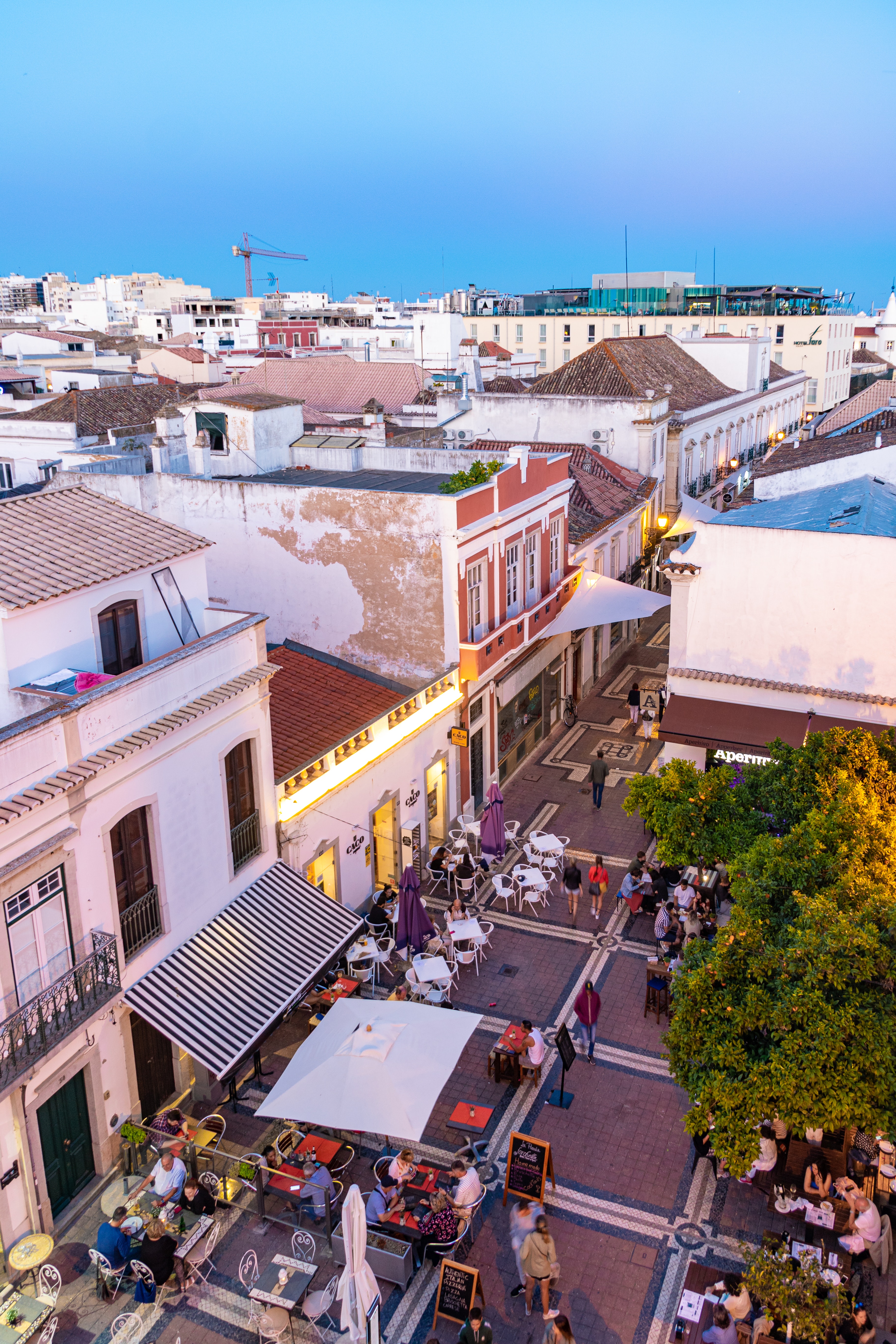
Names for towns? I went for the original Andalusi names, because having “Cordoba,” “Seville,” “Jaen,” “Lisbon,” and “Faro” in the mouths of these characters felt entirely discordant. They needed to be Qurtuba, Ishbiliya, Djayyan, al-Ushbuna, and Ukshunubah. “Barcelona,” however, was Barcelona in the 9th century; of course, Barcelona was not in al-Andalus, either, although it is referenced. As far as Ukshunubah, aka Faro…the choice of town there, since I wasn’t going off a historical event in the reference, was arbitrarily personal: my mother’s grandfather was from Olhão, which is a few kilometers from Faro and I was thinking of it to use just because; however, it didn’t seem to exist as a named town until the 13th or 14th century (although the name as written suggests an Arabic link, but that may or may not be its etymology), so I went for the closest then-extant town. As for the name (because Ukshunubah sounds nothing like Faro), the Roman-era and earlier name for it was Ossonoba or Ocsonoba. It was later (10th century onwards) known as Shantamariyyat al-Gharb. al-Gharb is the name for the region that became the Algarve; “Shantamariyyat” is an intriguing name because its origin is evident (say it aloud if you don’t immediately see it. It’s a wonderful cultural hybrid of a name, is Shantamariyyat al-Gharb.) I name-dropped the town for two reasons: it’s a reminder that Portugal, as well as Spain, was part of al-Andalus and still has some cultural roots therein, and I was still pettily disappointed in not being able, due to the pandemic, to take a planned and saved-for trip to Olhão so it was on my mind (I could have been eating fresh sardines in the Algarve in October, dagnabbit.) No one will know that’s my reason for using Ukshunubah unless they read this, but I do, and it’s as good a reason as any. Furthermore…Ukshunubah. You know you love the way that looks and sounds, admit it. Still, it’s hard for a reader to make the leap from Ukshunubah to Faro, or even Ishbiliya to Sevilla, without any kind of reference.
Obviously, you can’t just throw readers into a mix full of historical world-building with somewhat-informed but often-obscure editorial choices and expect them to sort it entirely for themselves. I created a notes-and-glossary for people reading it; some of the Dear Readers have told me that it is helpful, especially because al-Andalus isn’t a society that most of them have a great deal of specific knowledge about, some of them are not Muslim nor necessarily deeply familiar with Islamic practices so may have some religious/cultural things to wonder about, and some of the events of the story (in particular, the identity of the invaders) are things people don’t necessarily know about and may question: “Did that really happen? Where did you get the idea?”
The answer on that particular question about the invaders (as it’s a good example) is yes: it really happened, the invaders are who you think they are, Dear Reader, and writing about it was largely inspired by reading the passage about the Viking invasion of Ishbiliya in 844 in ibn al-Qutiya, and then seeking out more information about the invasion. ibn al-Qutiya also inspired the initial inciting event: in his chapter about Abd’ ar-Rahman II, he relates a story about a body found in a basket, how the emir* dispatched a visiting Hajji named Muhammed ibn Salim to investigate, how Muhammed ibn Salim found the culprit by tracking down the maker and buyer of the basket, and…the anecdote as written is less than a full page, but it made an impression on me. Essentially, it was detective work that was modern enough to be immediately recognizable as such, and that was fascinating to me. The emir had intended this investigation as a kind of test, a job interview if you will, and Muhammed ibn Salim passed with flying colors. But then, of course, I had to build around that. Muhammed ibn Salim was only mentioned briefly, with minimal detail, so I had to make him a character based on that scanty framework. I changed some details for plot reasons (ibn Salim was likely a provincial minor functionary, not a “jumped-up little Khazar secretary from Baghdad” as he describes himself, the culprits weren’t quite the same, surprise surprise, and I added detail) but that was the basis for the story.
The second anecdote, the one that inspired most of the supernatural shenanigans in the story (not that I needed much encouragement to make it supernatural because I am that cheeseball) was from the attack on the mosque of Ishbiliya (readiest source for readers: there’s a really good recitation of ibn Hayyan’s account up on YouTube, if you’re interested.) The Majus (Vikings) had, in the course of invading Ishbiliya, naturally wanted to burn down the newly-constructed fancy mosque. They attempted it, but were driven back by a glowing, beautiful youth who emerged from the direction of the minbar and fought them ferociously and tirelessly (and evidently freaked them out, because who wouldn’t be freaked out with some glowing dude popping up with a whole can of whoopass labeled “Viking Invader Repellent”); he did this on two subsequent occasions, the end result of which was that they left the mosque mostly unmolested. This account shows up in a couple of sources; theories on the origins of this fabulous and doubtless-apocryphal story have been written by people much better-qualified than I, largely about its mythical purposes. But I am an irresponsible person interested in writing fiction, so you bet I felt obligated to take that story and run with it. I ran a bit further with it than I intended, really, because the characters involved in that took on more life of their own than I had planned.
I do ramble, don’t I? Thank you if you’ve indulged me in this. That rambling gets to one of the problems I must tackle in this: imparting enough information to the reader that they understand what is going on, where it’s happening, and can also get immersed in the world and find it plausible, without having to read me going on at length about Vikings and Portuguese sardines in some blog post or forcing them to read more material.
Obviously, it’s not a bad idea to include a glossary and author’s note in a book, and perhaps even a map (I absolutely flat-out adore maps in books; if there’s a map, I’ll refer to it often while reading.) But I truly want people to get into the story and grasp what’s going on without having to keep checking a glossary the whole time, to suspend their disbelief in the story events without having to fact-check in the Author’s Notes (or beyond), and to not have to have read ibn al-Qutiya and ibn Hayyan (or even a modern work) to have a grasp on the society of al-Andalus. If people Google things and pick up books because they’re really interested and curious, that’s great; if people must Google things constantly, that’s not great, because it shows I haven’t done my job well enough to keep them following me through the story.
InchAllah I get somewhere close to that in making the story itself strong enough to stand on its own merits; I acknowledge there’s a lot of challenge to that because al-Andalus is a society that many readers aren’t going to be familiar with in great depth. But it is my job in this book to flesh that out and make it–or at least my odd version of it–more familiar.
* To answer the “emir/caliph” question, Abd’ ar-Rahman was an emir. The rulers of al-Andalus only became caliphs with Abd’ ar-Rahman III some generations later.

 Maryam Payne, Writer & Editor